FBI Ten Most Wanted Fugitive
Fausto Isidro Meza-Flores, also known as “El Chapo Isidro,” is one of the FBI's Ten Most Wanted Fugitives and is accused of leading a major Mexican drug trafficking organization responsible for distributing substantial quantities of illegal narcotics into the United States. Federal authorities allege that Meza-Flores has played a significant role in international drug trafficking for approximately two decades, overseeing criminal operations involving cocaine, heroin, methamphetamine, marijuana, and other dangerous substances. His alleged organization has operated primarily in Mexico while maintaining trafficking connections that extend across the U.S.-Mexico border. The United States Department of State's Narcotics Rewards Program is offering a reward of up to $5 million for information leading directly to his arrest and/or conviction.
Meza-Flores was officially added to the FBI's Ten Most Wanted Fugitives list on February 4, 2025, becoming the 533rd individual placed on the list. The announcement highlighted his alleged leadership of the Meza-Flores Transnational Criminal Organization, an organization federal investigators associate with large-scale drug trafficking and serious acts of violence. Authorities believe he remains in Mexico, where his alleged criminal network has maintained influence in several regions. The FBI considers him armed and dangerous and warns that he presents an international flight risk.
Alleged Leader of the Meza-Flores Criminal Organization
According to the FBI, Meza-Flores is the alleged leader of the Meza-Flores Transnational Criminal Organization, a major drug trafficking network based in Sinaloa, Mexico. Federal investigators say the organization has been involved in the possession, transportation, distribution, and importation of large quantities of illegal drugs destined for the United States. Its alleged operations have extended into several Mexican states, particularly Sinaloa, southern Sonora, and Nayarit. The organization is accused of maintaining an extensive criminal infrastructure capable of supporting international narcotics trafficking.
The FBI has described Meza-Flores as a prominent figure in Mexican organized crime whose influence developed over many years. Before allegedly establishing himself as the leader of his own organization, he was associated with the Beltrán Leyva criminal network. Authorities have linked his rise to the evolution of drug trafficking organizations in Mexico, where leadership changes and shifting alliances have repeatedly altered the criminal landscape. His alleged position within these networks made him a significant target of federal drug trafficking investigations.
Connections to the Beltrán Leyva Organization
Federal authorities report that Meza-Flores previously held a high-ranking position within the Beltrán Leyva Transnational Criminal Organization. The FBI described him as a close associate and trusted lieutenant of Alfredo Beltrán Leyva before Beltrán Leyva's arrest in 2008. This relationship allegedly placed Meza-Flores within an established criminal network involved in moving substantial quantities of narcotics across international borders. Investigators believe those connections contributed to his later influence within organized crime.
Following changes in the Beltrán Leyva organization's leadership, Meza-Flores allegedly became associated with an increasingly independent trafficking operation. The FBI identifies him as the leader of the organization that now bears his name, although the precise structure and membership of the network have not been fully disclosed publicly. Federal authorities believe the organization has maintained substantial trafficking capabilities in Mexico. His alleged role in these activities has made him a long-standing target of American law enforcement.
Alleged Drug Trafficking Operations Targeting the United States
Federal investigators accuse Meza-Flores of participating in an extensive conspiracy to manufacture and distribute narcotics intended for importation into the United States. The FBI says the alleged conspiracy involved cocaine, heroin, methamphetamine, and marijuana over a period extending from approximately 2005 through 2019. Authorities believe these activities formed part of an organized international trafficking operation rather than isolated drug transactions. The scope of the allegations has made the case a significant federal organized crime investigation.
The trafficking allegations involve multiple categories of controlled substances, each presenting different challenges for law enforcement and public health authorities. Cocaine and methamphetamine trafficking have historically generated substantial revenues for organized criminal networks, while heroin and fentanyl have contributed to severe overdose risks in American communities. Federal authorities have also accused Meza-Flores and his organization of involvement in trafficking fentanyl, although the specific drug quantities listed in his federal indictment focus on other substances. Investigators continue to regard the alleged organization as a serious threat because of its suspected ability to supply illegal drug markets across international borders.
Federal Indictment Filed in Washington, D.C.
Meza-Flores was originally indicted on May 2, 2012, in the U.S. District Court for the District of Columbia. The case involved allegations that he participated in international drug trafficking activities connected to the distribution of controlled substances destined for the United States. Federal prosecutors subsequently continued investigating the alleged organization and its operations. The case developed into a broader prosecution involving multiple narcotics offenses and firearm allegations.
On November 26, 2019, a federal grand jury returned a superseding indictment against Meza-Flores. The updated indictment included charges involving conspiracy to manufacture and distribute controlled substances for importation into the United States, along with a firearm offense. Federal investigators allege that the criminal activity covered by the indictment occurred over a period of approximately fourteen years. The charges remain allegations, and Meza-Flores is presumed innocent unless and until proven guilty in court.
Drug Quantities Identified in the Federal Charges
The FBI's wanted notice identifies several specific drug quantities associated with the federal charges. The allegations include conspiracy to manufacture and distribute 500 grams or more of methamphetamine, distribute five kilograms or more of cocaine, distribute one kilogram or more of heroin, and distribute 1,000 kilograms or more of marijuana for importation into the United States. These quantities are statutory thresholds identified in the criminal charges and should not be interpreted as the total amount of narcotics allegedly trafficked by the organization. Federal authorities believe the broader trafficking network operated on a substantially larger scale.
The indictment also includes allegations involving the use and possession of a firearm. Firearms charges frequently accompany major organized crime investigations when prosecutors allege that weapons were connected to drug trafficking activities. In Meza-Flores's case, the firearm allegation forms part of the federal prosecution alongside the narcotics charges. Authorities have not publicly established his guilt on these charges through a completed criminal trial.
Allegations of Violence and Organized Crime
The FBI has also linked the Meza-Flores organization to serious violent crimes beyond drug trafficking. During the announcement of his addition to the Ten Most Wanted Fugitives list, federal authorities accused Meza-Flores and his organization of involvement in kidnapping, extortion, torture, and murder. These allegations illustrate the broader criminal activity investigators associate with the organization and the potential dangers involved in locating its alleged leader. The FBI has specifically described the organization as heavily armed.
Violence is a major concern in investigations involving powerful transnational criminal organizations because control over trafficking routes and distribution networks can lead to conflicts between competing groups. Federal authorities believe the Meza-Flores organization has exercised substantial influence over drug production, transportation, and distribution in parts of Mexico. The FBI has not publicly established that Meza-Flores personally committed every violent offense attributed to the organization. Nevertheless, investigators consider his alleged leadership and the organization's reported history of violence important factors in assessing the threat he may pose.
FBI Description of Fausto Isidro Meza-Flores
According to the FBI's official wanted notice, Fausto Isidro Meza-Flores uses a date of birth of June 19, 1982, and was born in Mexico. He is described as approximately 5 feet 6 inches tall and weighing about 160 pounds. His hair is dark brown, and his eyes are brown. The FBI identifies him as a Mexican national.
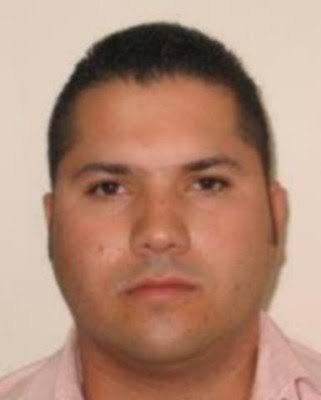
The Bureau lists several aliases associated with Meza-Flores, including “El Chapo Isidro,” “Chapo Isidro,” and “Chapito Isidro.” These names may be relevant when evaluating information concerning his identity or whereabouts. Investigators have released his photograph to assist the public in recognizing him, although his appearance may have changed since the image was taken. Anyone who believes they have identified him should avoid approaching him and contact law enforcement.
Believed to Be Residing in Mexico
The FBI believes Meza-Flores is living in Mexico, although his exact location has not been publicly confirmed. His alleged organization has historically maintained influence in Sinaloa and other parts of northwestern Mexico. Authorities believe his connections within organized crime could make locating him particularly difficult. His designation as an international flight risk reflects concerns that he may have the resources or relationships necessary to avoid capture.
Information concerning his location may come from people who have encountered him personally or who possess knowledge of his associates and movements. Federal investigators may be interested in credible details concerning residences, vehicles, travel, communications, and relationships that could help establish his whereabouts. Because the FBI considers him armed and dangerous, members of the public should not attempt to confront or apprehend him. Information should instead be submitted directly to appropriate law enforcement authorities.
Added to the FBI Ten Most Wanted Fugitives List
Meza-Flores became the 533rd person added to the FBI's Ten Most Wanted Fugitives list on February 4, 2025. His inclusion brought additional national and international attention to the investigation and the allegations surrounding his organization. The program is designed to generate public assistance in locating fugitives accused of serious crimes. The FBI's official historical records continue to identify him as a member of the list.
The announcement also emphasized the importance of cooperation between federal investigative agencies and international partners. The investigation has involved the Organized Crime Drug Enforcement Task Forces program, which coordinates efforts against major drug trafficking and money laundering organizations. By increasing public awareness, authorities hope to generate information that might otherwise remain unavailable to investigators. The continued publication of his photograph and reward information is intended to support those efforts.
$5 Million Reward for Information
The United States Department of State's Narcotics Rewards Program is offering up to $5 million for information leading directly to the arrest and/or conviction of Fausto Isidro Meza-Flores. The reward reflects the seriousness of the allegations and the government's continuing interest in locating him. It is not an automatic payment for any tip, and eligibility is determined under the program's applicable requirements. The FBI encourages anyone with credible information about his whereabouts to contact authorities.
Tips can be submitted by calling 1-800-CALL-FBI (1-800-225-5324) or through the FBI's official online tip system. Individuals outside the United States may contact their nearest American embassy or consulate. The FBI also lists WhatsApp number 571-379-3951 as a contact option for information concerning Meza-Flores. The Bureau notes that WhatsApp is not a government-operated or government-controlled platform.
FBI Washington Field Office Continues the Investigation
The FBI's Washington Field Office is responsible for the wanted investigation involving Meza-Flores. His federal criminal case is based in the District of Columbia, where prosecutors have pursued narcotics and firearm charges. The investigation has involved coordination among agencies working to disrupt major international drug trafficking organizations. Federal authorities continue seeking information that could help locate him and bring him before the United States judicial system.
Meza-Flores remains wanted in connection with allegations of large-scale narcotics trafficking and firearm offenses. His alleged leadership of a heavily armed criminal organization and his suspected involvement in international drug distribution have made him a prominent target of federal law enforcement. The $5 million reward and his continued placement on the Ten Most Wanted Fugitives list are intended to encourage public cooperation. Until the charges are resolved in court, he remains presumed innocent of the offenses alleged in the federal indictment.