FBI Offers $150,000 Reward for Onur Simsek in Alleged U.S. Military Procurement Fraud Scheme
FBI Most Wanted Fraudster
Onur Simsek is wanted by the FBI for his alleged role in a procurement fraud conspiracy involving contracts for critical military components intended for the U.S. Department of Defense. Federal investigators allege that Simsek and his co-conspirators used a Central Florida company to obtain government manufacturing contracts while concealing that components were actually being produced in Turkey. The alleged scheme operated from approximately April 2019 through February 2022 and involved false representations concerning where and how the military components were manufactured. The FBI is offering a reward of up to $150,000 for information leading to Simsek's arrest and conviction.
Simsek is currently featured on the FBI's Most Wanted Fraudsters list, which focuses public attention on fugitives wanted in major financial and fraud investigations. His case is particularly significant because the alleged fraud involved the U.S. military supply chain rather than an ordinary commercial transaction. Federal investigators allege that false certifications enabled improperly sourced and, in some instances, substandard components to enter the Department of Defense procurement system. The FBI's Tampa Field Office continues seeking information that could lead authorities to Simsek.
Alleged Scheme Targeted Department of Defense Contracts
According to federal authorities, Simsek participated in a conspiracy designed to fraudulently obtain U.S. Department of Defense contracts for the manufacture of military components. The alleged operation involved a company located in Central Florida that represented itself as a legitimate American manufacturer capable of satisfying government contracting requirements. Federal investigators contend that those representations concealed the true source of the components being supplied under the contracts. The components were allegedly manufactured in Turkey and then presented in a manner that made them appear compliant with U.S. government procurement requirements.
Government defense contracts frequently contain detailed requirements concerning manufacturing locations, materials, specifications, testing, quality control, and the eligibility of contractors. Those requirements are intended to ensure that components entering the military supply chain meet required standards and come from approved sources. Prosecutors allege that Simsek and his co-conspirators circumvented those protections through false statements and certifications. The investigation therefore concerns both alleged financial fraud against the government and the integrity of the military procurement process.
Central Florida Company Allegedly Used as a Front
Federal authorities allege that a Central Florida company served as a front in the operation. The company was allegedly presented to the U.S. government as a vetted and qualified American manufacturer even though investigators say the military components were actually being manufactured in Turkey. By using the Florida business, the conspirators could allegedly compete for government contracts that they otherwise might not have been eligible to receive. The arrangement also allegedly concealed Simsek's involvement from federal procurement authorities.
Investigators contend that the company submitted bids and certifications containing materially false information. Once contracts were awarded, manufacturing allegedly occurred outside the United States under circumstances that differed from those represented to the government. The resulting products were then allegedly supplied to the Department of Defense as though the applicable procurement requirements had been satisfied. Federal investigators eventually uncovered the alleged arrangement and began tracing the individuals involved.
Previously Barred From U.S. Government Contracting
A major component of the federal case is Simsek's previous history involving government procurement. According to the FBI, Simsek had already been barred from doing business with the United States government in 2018 following an earlier conviction for similar conduct. The debarment was intended to prevent him from participating in future federal contracting activities. Authorities allege that the later Central Florida operation allowed him to continue participating indirectly despite that restriction.
Federal investigators contend that Simsek's involvement was deliberately concealed because his previous conviction and debarment would have prevented him from legitimately participating in the contracts. The alleged use of another business therefore provided a means of distancing his identity from the government procurement process. Prosecutors view that history as important context for understanding why the alleged conspiracy was structured in the manner described in the federal case. The current charges concern conduct authorities say occurred after Simsek had already been prohibited from doing business with the government.
Military Components Manufactured in Turkey
The FBI alleges that the military components involved in the contracts were manufactured in Turkey rather than by the U.S. company identified in procurement documents. Their foreign manufacture allegedly violated representations and certifications submitted during the contracting process. Investigators say the conspiracy concealed this information while continuing to obtain government business. The alleged deception prevented procurement officials from accurately evaluating where the components originated and whether they complied with contractual requirements.
The origin of military components can be particularly important because defense procurement rules are designed to protect quality, reliability, and supply-chain security. Restrictions on manufacturing sources can also prevent sensitive or critical components from entering the military supply chain through unauthorized channels. By allegedly concealing the true manufacturing location, the conspirators are accused of undermining those safeguards. Federal authorities consequently treated the investigation as more than a conventional billing or contracting dispute.
Allegations of Substandard Components
Federal investigators have also alleged that some of the components provided through the operation were substandard. This allegation increased concern because the products were intended for use by the Department of Defense. Components used in military equipment may need to operate under demanding conditions where manufacturing defects or deviations from specifications can create serious reliability problems. The federal investigation has therefore focused on both the alleged fraudulent procurement process and the quality of the products delivered.
The Defense Criminal Investigative Service has emphasized the importance of protecting the military supply chain from counterfeit, fraudulently sourced, or substandard components. When a contractor falsely represents where an item was manufactured or whether it complies with government requirements, procurement officials may lose the ability to properly assess the product. Such conduct can expose the government to financial losses while also undermining confidence in the equipment being purchased. Simsek's case illustrates why procurement fraud investigations frequently involve specialized defense investigators in addition to the FBI.
Alleged Conspiracy Operated for Nearly Three Years
Federal authorities say the alleged conspiracy operated from approximately April 2019 until February 2022. During that period, the conspirators allegedly continued seeking and fulfilling Department of Defense contracts through the Florida company. Investigators accuse them of repeatedly making false representations about the company's qualifications and the origin of the components. The duration of the alleged operation allowed investigators to examine multiple transactions and procurement records while reconstructing how the business operated.
Federal contracting produces extensive documentation, including bids, invoices, certifications, shipping information, payment records, technical specifications, and communications. Investigators can compare those records against manufacturing and shipping evidence to determine whether representations made to the government were accurate. In this case, authorities ultimately concluded that sufficient evidence existed to pursue federal criminal charges. Simsek's alleged involvement became part of the resulting fugitive investigation.
Federal Charges Against Onur Simsek
Simsek faces federal charges stemming from the alleged defense procurement operation. The case involves accusations of conspiracy to commit wire fraud and major fraud against the United States, along with other offenses connected with the procurement scheme. Federal prosecutors allege that electronic communications and financial transactions were used while carrying out the conspiracy. The charges reflect the government's position that the alleged conduct involved an organized effort to fraudulently obtain federal contracts.
Because Simsek remains outside U.S. custody, the criminal charges against him have not been resolved through trial. He is presumed innocent unless and until proven guilty in court. His placement on the FBI's Most Wanted Fraudsters list does not constitute a finding that he committed the charged offenses. Its purpose is to generate public assistance that may help authorities locate him and bring him before the federal court handling the case.
FBI Description of Onur Simsek
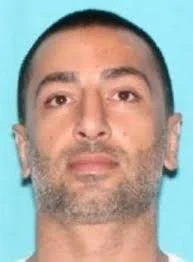
The FBI has released photographs and identifying information concerning Simsek to help members of the public recognize him. He is a Turkish national and has substantial ties to Turkey, where investigators currently believe he is residing. Because his case involves international travel and relationships outside the United States, the FBI is seeking assistance from people both domestically and abroad. Photographs distributed by the Bureau should be considered together with the identifying information contained in his official wanted notice.
A fugitive's appearance can change over time through aging, weight changes, different hairstyles, facial hair, glasses, or deliberate efforts to avoid recognition. Someone who previously knew Simsek through business, manufacturing, government contracting, or personal connections may therefore be better positioned to identify him than someone relying solely on a photograph. Investigators may also be interested in information about businesses, addresses, telephone numbers, vehicles, travel, or associates connected to him. Members of the public should provide such information directly to law enforcement rather than attempting to independently investigate him.
Believed to Be Residing in Turkey
The FBI believes Simsek is currently residing in Turkey. His Turkish nationality and connections to the country have made the investigation an international fugitive matter requiring authorities to seek information outside the United States. Someone in Turkey may encounter Simsek without knowing that he is wanted in connection with a U.S. federal prosecution. Public distribution of his photograph is intended to increase the possibility that someone who recognizes him will contact authorities.
Information about his location does not necessarily need to involve a recent direct encounter. An older address, telephone number, business relationship, associate, or travel record could potentially help investigators reconstruct his movements. Former employees, suppliers, customers, business partners, or acquaintances may possess information relevant to determining where he currently lives. Investigators can compare those details with other information collected during the fugitive investigation.
Defense Criminal Investigative Service Involvement
The Defense Criminal Investigative Service, commonly known as DCIS, has participated in the investigation alongside the FBI and other federal authorities. DCIS is the criminal investigative arm of the Department of Defense Office of Inspector General and investigates fraud, corruption, cybercrime, and other criminal activity affecting Department of Defense programs and operations. Its participation is particularly relevant because the alleged victims in Simsek's case include U.S. military procurement programs. Investigators are seeking to protect both taxpayer funds and the integrity of the defense supply chain.
Procurement fraud cases can require technical expertise because investigators must determine whether products complied with detailed contractual and manufacturing requirements. They may need to examine engineering specifications, certifications, manufacturing records, shipping information, and the actual components supplied to the government. When products are alleged to be substandard, investigators may also need specialists capable of evaluating whether those items met required specifications. This multidisciplinary approach contributed to the federal investigation surrounding Simsek and his alleged co-conspirators.
Added to the FBI Most Wanted Fraudsters List
Simsek's placement on the Most Wanted Fraudsters list gives the fugitive investigation substantially greater public visibility. The FBI created the specialized list in 2026 to highlight fugitives wanted in significant fraud cases and encourage people with information to contact law enforcement. Unlike the Ten Most Wanted Fugitives list, the fraudster category focuses specifically on financial crimes and schemes affecting individuals, businesses, government programs, and taxpayers. Simsek's alleged defense procurement operation fits within that mission because it concerns fraud directed at federal military contracts.
Being featured on the list means Simsek's photograph and case information are distributed through FBI public channels to audiences inside and outside the United States. That exposure is especially useful when authorities believe a fugitive is living abroad. Someone who recognizes Simsek may have no previous knowledge of the federal investigation or the reward attached to his case. The FBI hopes increased publicity will generate a credible lead capable of establishing his current location.
$150,000 FBI Reward
The FBI is offering a reward of up to $150,000 for information leading to the arrest and conviction of Onur Simsek. The reward is part of the Bureau's effort to encourage people with credible information about his whereabouts to come forward. Information involving a residence, workplace, business, vehicle, telephone number, travel pattern, financial relationship, or associate could potentially help investigators locate him. Federal authorities will determine whether information qualifies for a reward under the applicable program requirements.
Anyone who knows Simsek's location should contact law enforcement rather than attempting to apprehend or confront him. People in the United States can contact the FBI through 1-800-CALL-FBI or submit information through the Bureau's official online tip system. Individuals outside the United States may contact the nearest U.S. embassy or consulate. Tips can be evaluated by investigators and compared with existing information from the federal fugitive investigation.
International Search Continues
Onur Simsek remains wanted as federal authorities continue investigating the alleged scheme involving U.S. military contracts and components manufactured in Turkey. Prosecutors accuse him and others of using a Central Florida company to circumvent federal procurement restrictions, conceal the true source of military components, and obtain contracts through false representations. His previous debarment from U.S. government contracting is an important part of the government's case because authorities allege the later operation enabled him to continue participating indirectly. Investigators have also raised concerns that some of the components supplied through the alleged scheme were substandard.
The FBI continues seeking information that could establish Simsek's location in Turkey or elsewhere. His addition to the Most Wanted Fraudsters list and the reward of up to $150,000 are intended to expand the number of people who recognize his name and photograph. The allegations against Simsek have not been proven at trial, and he is presumed innocent unless and until proven guilty. Anyone with credible information concerning his whereabouts should provide it directly to federal authorities.
Sources
FBI — Onur Simsek Most Wanted Fraudster Profile
FBI Tampa — Reward for Information Leading to the Arrest of Onur Simsek